
Understanding Timeshare Ownership Laws by State in 2026

If you’ve ever imagined vacationing at beautiful resorts every year without breaking the bank, timeshare ownership might have caught your eye. But before you take over a timeshare or post your own for transfer, it’s important to know that not all timeshare laws are created equal. Whether you’re a seasoned owner or exploring your first timeshare, understanding how ownership laws vary by state can help you make more informed, confident decisions. Here at Timeshare Nation, we’re dedicated to simplifying the process—so let’s break down what you need to know about state-specific timeshare ownership laws in 2026.
Why State Laws Matter for Timeshares
Timeshares sound simple: you get to use a vacation property for a set period each year. But the legal framework behind these agreements is shaped by state law, and those laws can dramatically affect your rights, fees, and transfer options.
Some states have robust consumer protection laws for timeshare buyers, while others leave more up to the contractual agreement between buyer and seller. For example, the process of transferring ownership, cancellation periods, required disclosures, and even the definition of a timeshare can vary from state to state. That means whether you’re in Florida, California, or Colorado, your experience—and your responsibilities—can look very different.
Pro tip: Before signing any timeshare agreement or taking over a timeshare, always check the rules in the state where the property is located—not just your home state.
The Most Timeshare-Friendly States
Certain states are better known for their timeshare regulations and protections. Florida, Nevada, and South Carolina lead the pack, thanks to their large concentration of resort properties and years of refining their laws to protect both buyers and sellers.
Florida is often called the timeshare capital of the world. Its laws require a 10-day cooling-off period after you sign a timeshare contract—meaning you can cancel for any reason within that window. Florida also regulates advertising, requires clear disclosures, and has strict rules around escrow and the handling of funds.

Nevada and South Carolina have similar consumer-friendly laws, including mandatory disclosures and rescission periods (usually 5 to 7 days). These states also closely regulate how timeshare interests are marketed, sold, and transferred, making it harder for unscrupulous operators to take advantage of buyers.
Pro tip: If you’re considering a timeshare in these states, you’ll enjoy some of the strongest legal protections available, but you should still review each contract carefully.
States With Unique or Challenging Laws
While some states make timeshare ownership and transfers relatively straightforward, others present unique hurdles. States like New York, Texas, and Hawaii have their own quirks when it comes to timeshare law.
New York has some of the strictest licensing and registration requirements for timeshare developers and sellers. If you’re taking over a timeshare in New York, expect more paperwork and red tape, but also robust protections against misleading sales tactics.
Texas is less prescriptive. While there are basic disclosure and rescission requirements, much of the process is governed by the contract itself. This means it’s especially important to read every clause and ask questions before committing.
Hawaii, a popular timeshare destination, has rules that protect local real estate interests and the environment. Transfers can take longer and may require extra documentation, especially if the property is on Native Hawaiian land.
Pro tip: When dealing with unique or complex state rules, working with a knowledgeable timeshare transfer service (like Timeshare Nation) can make the process smoother and stress-free.
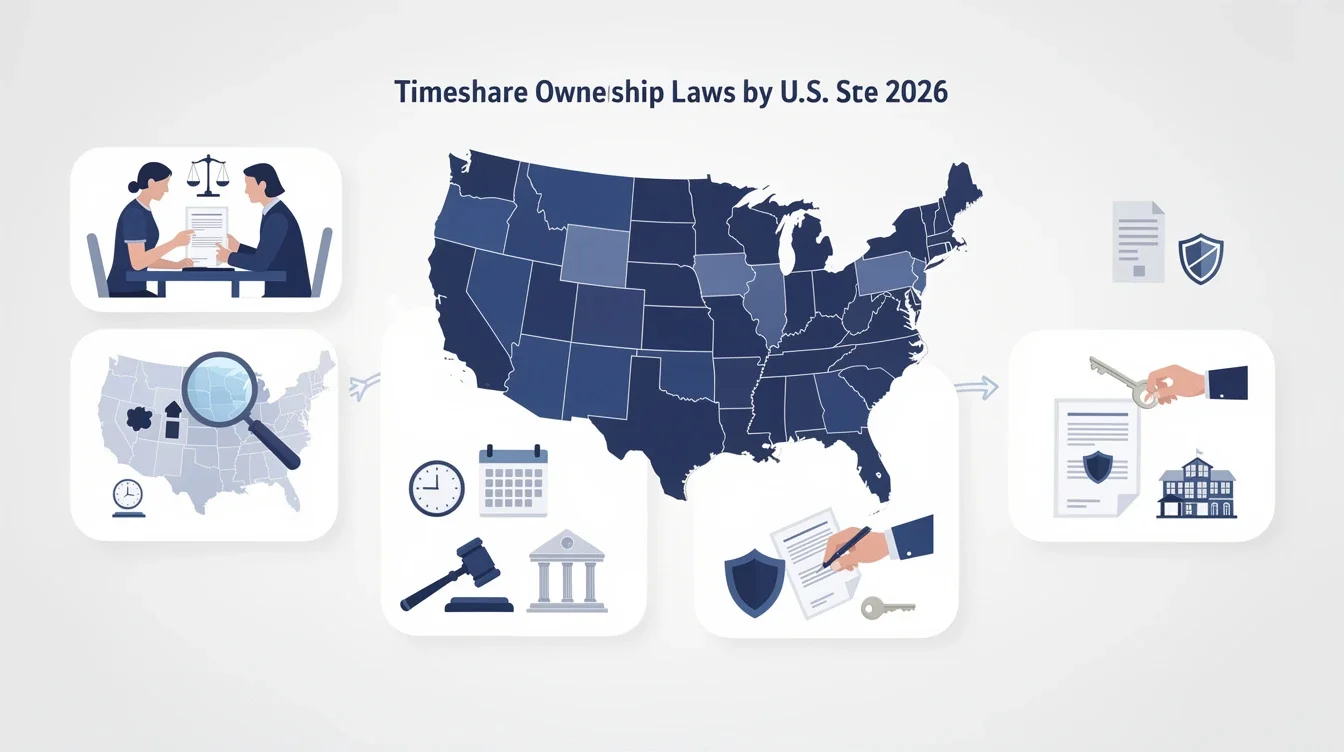
How Transfer and Rescission Periods Differ
One of the most important aspects of timeshare law is the rescission—or cancellation—period. This is the window of time after purchasing or taking over a timeshare when you can back out without penalty. While every state offers some kind of rescission period, the length and process can vary widely.
In Florida, as mentioned, you get a generous 10 days. In California, it’s 7 days. Arizona offers 10 days, while South Carolina gives you 5. Some states require you to notify the seller in writing, while others specify a particular form or delivery method.
Transfer processes also differ. Some states require timeshare transfers to be recorded with a county clerk or public records office, while others handle the process entirely within the timeshare company. States with stricter environmental or zoning laws might require additional approvals, especially if the timeshare is part of a larger development.
Pro tip: Always know your rescission period and the exact steps required to cancel or transfer a timeshare—missing a deadline can lock you into a contract you didn’t intend to keep.
Disclosure Requirements and Consumer Protections
Most states have laws designed to protect timeshare buyers from fraud or misrepresentation. These typically require sellers (and sometimes transfer platforms) to provide detailed disclosures about:
The property’s location, size, and amenities
All fees and assessments, current and future
Your rights to use, rent, or exchange the property
Any liens or encumbrances on the property

Some states, like Florida and California, mandate that all contracts be written in plain language and that all fees are disclosed upfront. Others require escrow accounts to hold buyer funds until the transfer is complete.
States also regulate “exit companies” and timeshare resellers, requiring them to be licensed and to follow ethical advertising practices. This helps prevent scams where companies promise to “cancel” your timeshare for a hefty fee and then disappear.
Pro tip: Don’t be afraid to ask for documentation or clarification on anything in your contract, and steer clear of anyone who pressures you to sign right away or pay hidden fees.
What Changing Laws Mean for Owners in 2026
As timeshares have grown in popularity and evolved with the needs of modern travelers, state laws have adapted too. In 2026, we’re seeing increased attention on transparency, simplified transfer processes, and better protections for both outgoing and incoming owners.
States are also moving to regulate online marketplaces—like Timeshare Nation—to ensure transfers are legitimate, seamless, and scam-free. This trend benefits everyone by making timeshare ownership more flexible and accessible, whether you’re giving away an unused week or taking over a new vacation opportunity.
However, with more regulation comes the need for greater awareness. Owners must stay informed about any changes in local laws, especially regarding transfer fees, taxes, and compliance with property management companies or homeowners’ associations.
Pro tip: Subscribe to your state’s real estate division updates or work with a reputable marketplace to stay on top of any new law changes that could impact your timeshare ownership.
Conclusion
Timeshare ownership is more accessible and flexible than ever, especially with peer-to-peer marketplaces like Timeshare Nation simplifying the process and eliminating closing or transfer fees. But the patchwork of state laws means it’s crucial to do your homework before you take over or transfer a timeshare. From rescission periods to disclosure requirements and transfer processes, understanding the legal landscape will help you make confident, cost-effective decisions about your vacation future. Whether you’re looking to enjoy new destinations or pass on your timeshare to a new owner, a little legal know-how goes a long way in making every vacation stress-free.


